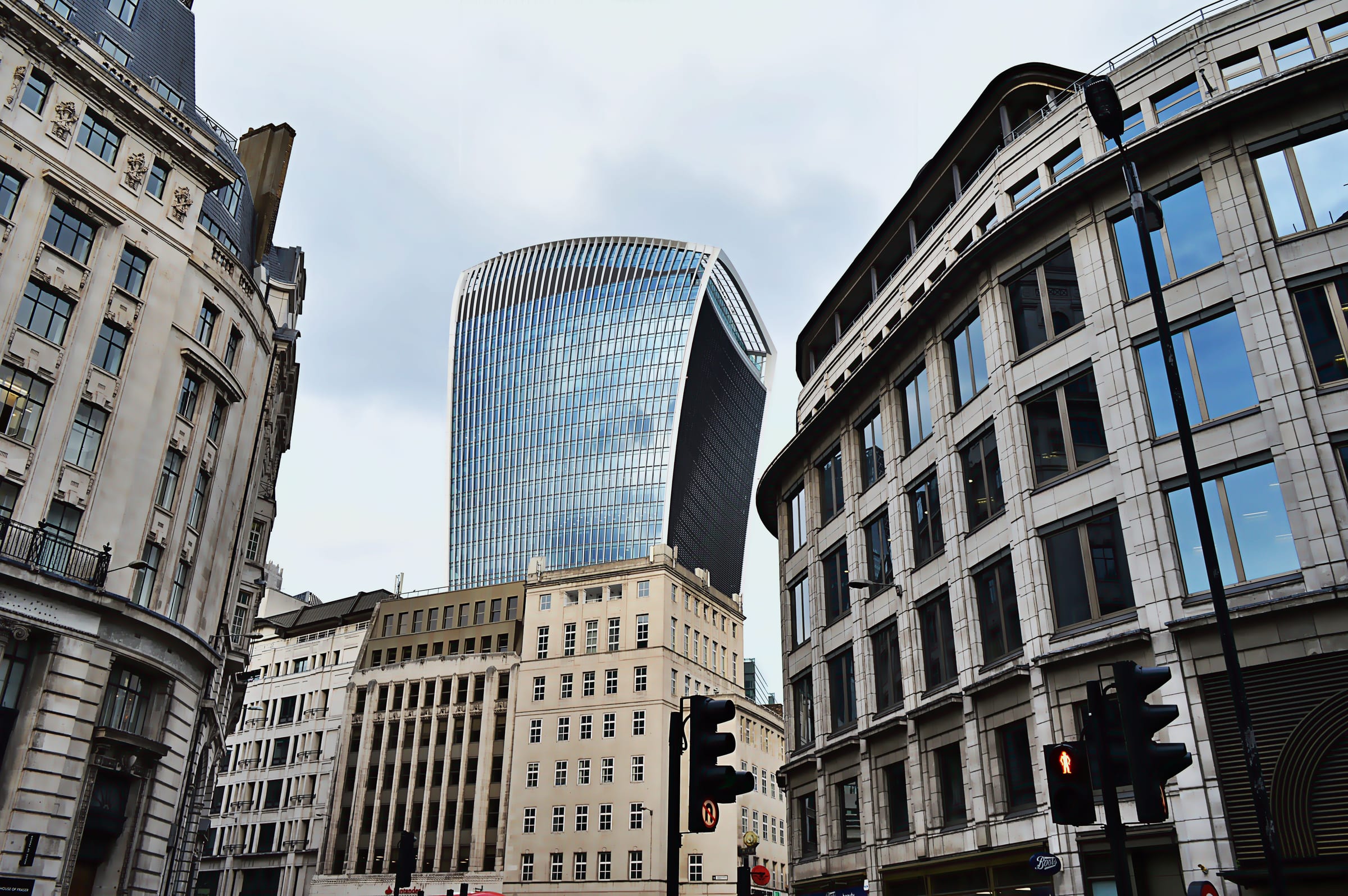
Capital of England and the United Kingdom
“Experience vibrant streets, unique neighborhoods and the energy of a city that never feels the same twice.”
London is the capital and largest city of England and the United Kingdom, with a population of 9.14 million people in 2025. Its wider metropolitan area is the largest in Western Europe, with a population of 15.4 million. London stands on the River Thames in southeast England, at the head of a 50-mile (80 km) tidal estuary down to the North Sea, and has been a major settlement for nearly 2,000 years. Its ancient core and financial centre, the City of London, was founded by the Romans as Londinium and has retained its medieval boundaries. The City of Westminster, to the west of the City of London, has been the site of the national government and parliament for centuries. London grew rapidly in the 19th century, becoming the world's largest city at the time. Since the 19th century the name "London" has referred to the metropolis around the City of London, historically split among the counties of Middlesex, Essex, Surrey, Kent and Hertfordshire. Since 1965 it has largely comprised the administrative area of Greater London, governed by 33 local authorities and the Greater London Authority.
What it’s like to be here — and what to go and see.
Gentle temperatures invite leisurely walks without the summer crowds.
Long, sunny days give you extra hours to explore and soak it all in.
Mellow light and mild weather are perfect for slow, scenic strolls.
Fewer visitors and cozy atmospheres make for a relaxed, unhurried visit.
A rough, general read — not a precise guide.
The historic centre is compact, so most sights are within easy reach on foot.
Getting around by metro, regional trains, trams, buses and ferries is easy, and a car is rarely needed.
Narrow historic streets and limited parking make self-driving a hassle, though taxis remain easy to use.