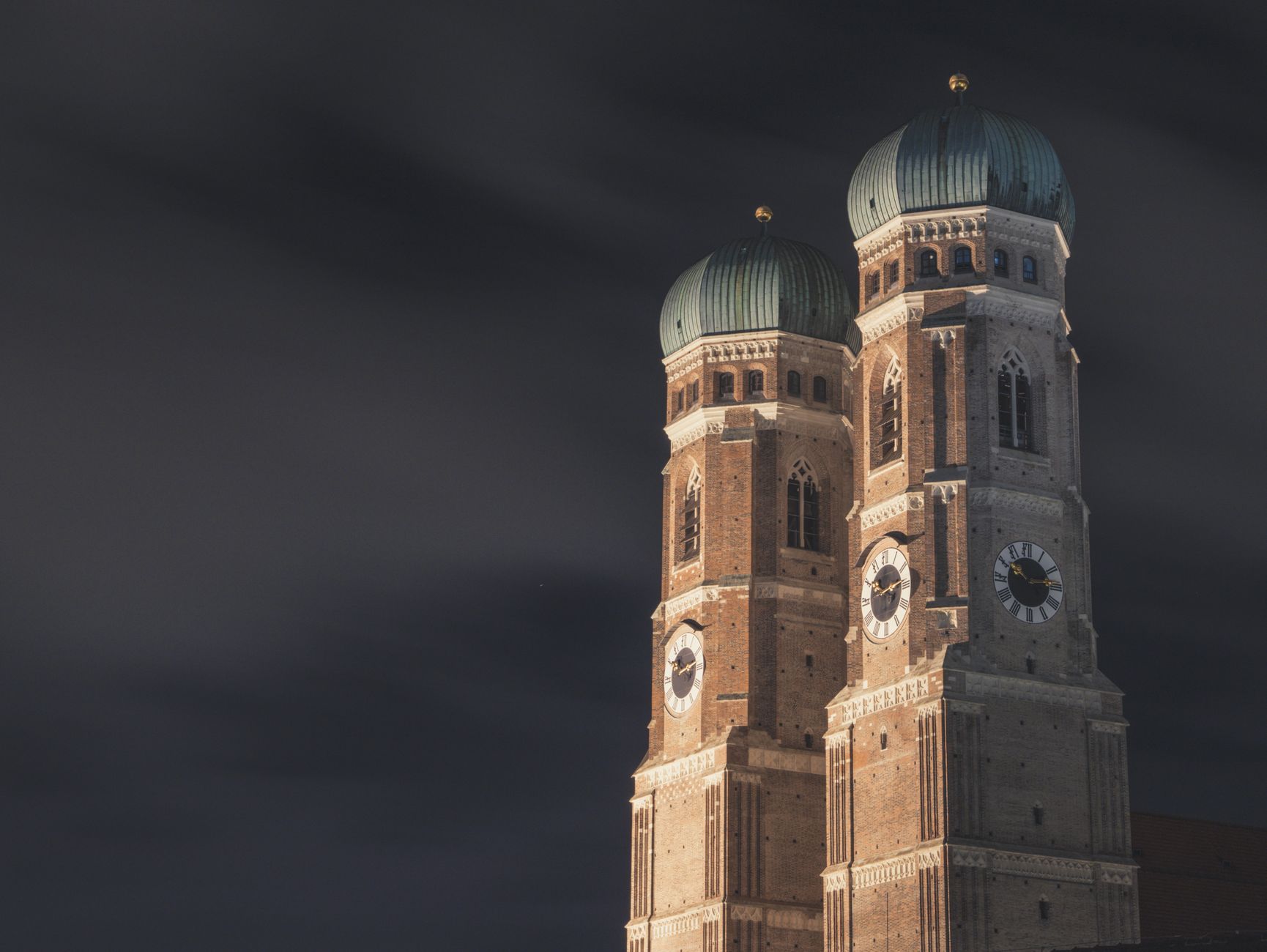
Capital of Bavaria, Germany
“Experience vibrant streets, unique neighborhoods and the energy of a city that never feels the same twice.”
Munich is the capital and most populous city of the German state of Bavaria. As of 30 November 2024, its population was 1,604,384, making it the third most-populous city in Germany after Berlin and Hamburg. Munich is the largest city in Germany that is not a state of its own, and it ranks as the 11th-largest city in the European Union (EU). The metropolitan area has around 3 million inhabitants, and the broader Munich Metropolitan Region is home to about 6.2 million people. It is the third largest metropolitan region by GDP in the EU. Munich is located on the river Isar north of the Alps. It is the seat of the Upper Bavarian administrative region. With 4,800 people per km2, Munich is Germany's most densely populated municipality. It is also the second-largest city in the Bavarian dialect area after Vienna.
What it’s like to be here — and what to go and see.
Mild weather and blooming scenery set the stage for relaxed exploration.
Peak season buzz and golden light make every outing feel like an event.
Mellow light and mild weather are perfect for slow, scenic strolls.
Fewer visitors and cozy atmospheres make for a relaxed, unhurried visit.
A rough, general read — not a precise guide.
Sights are spread across town, so comfortable shoes help.
Getting around by metro, regional trains and trams is easy, and a car is rarely needed.
Heavy traffic is typical for a city this size, though taxis are a convenient way around it.
Pick a category to see what’s there.